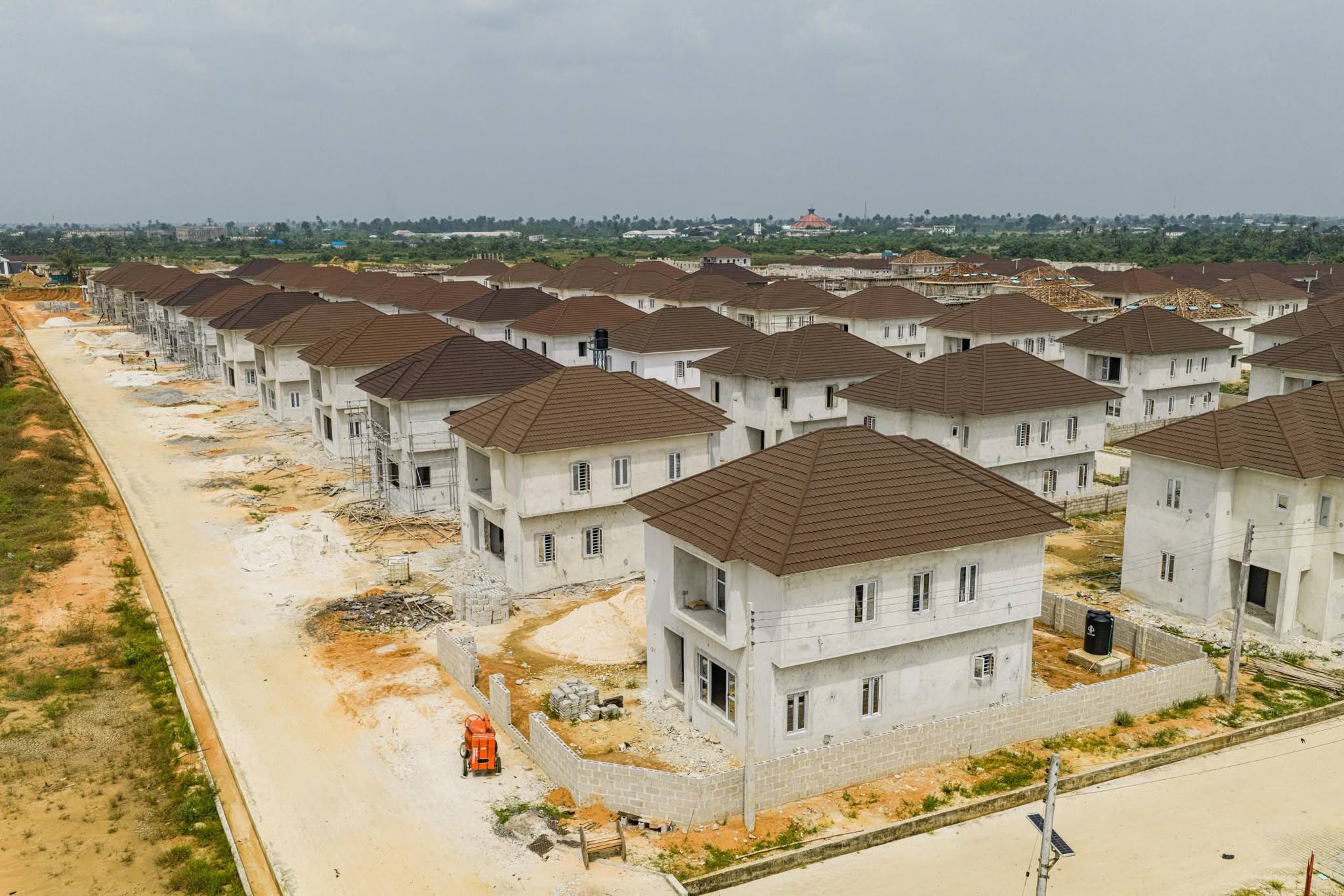
Every serious investor eventually asks the same question: what makes a high-growth real estate location? The answer is rarely luck. It is usually the result of visible patterns that many overlook.
In real estate investment, location is not simply about geography. It reflects infrastructure, policy direction, demographic pressure, and economic activity. When these forces converge, growth becomes more predictable.
Real Estate Is a Long-Term Discipline
Before examining growth signals, it is important to clarify a misconception. Real estate investment is fundamentally a long-term strategy. It is not designed for immediate liquidity or short-term market timing.
Unlike publicly traded assets that fluctuate daily, property markets reward patience. Appreciation often compounds over years as infrastructure development and population growth reshape demand. Those who approach real estate with a generational mindset typically make better location decisions.
1. Infrastructural Development
No high-growth real estate location emerges without infrastructure development. Roads, electricity, drainage, internet connectivity, and transport links serve as the foundation for building value.
An area without accessible roads or basic utilities may trap capital for years. Investors should look for either existing infrastructure or credible, funded plans for delivery. Infrastructure signals intent. Where infrastructure goes, development follows.
2. Government Attention and Policy Direction
In many emerging markets, government development plans shape the trajectory of entire districts. Public investment in housing schemes, transport corridors, airports, or commercial hubs can rapidly alter land values.
A previously quiet corridor can become active once formal projects begin. Investors who track government announcements, budget allocations, and public-private partnerships often identify opportunities early.
3. Population Growth and Migration Patterns
Population growth remains one of the most reliable predictors of property demand. As cities expand, pressure on central districts forces residents and businesses outward.
Investors must study where people are actually relocating and why. Accessibility, affordability, safety, and proximity to employment centres often determine migration patterns. When population growth aligns with infrastructure development, momentum accelerates.
4. Commercial Activity as a Catalyst
A location thrives on more than residential demand alone. Markets, retail clusters, logistics centres, offices, and service businesses create daily movement. This movement supports rental demand, boosts land absorption rates, and attracts further investment.
Even modest early signs of commercial clustering — a petrol station, a pharmacy, a school — often precede significant residential growth.
5. Security and Governance Quality
Sustained real estate appreciation requires a stable environment. Locations with active community governance, visible security infrastructure, and low crime records consistently outperform less stable areas over the medium and long term.
Investors should assess both the current security situation and the trajectory — is it improving or declining?
6. Comparable Sales Momentum
When land prices in a location are rising consistently — not in one speculative spike, but across multiple transactions over time — it indicates genuine demand compression. Tracking comparable sales gives you a market signal that is grounded in real transactions, not projections.
Putting It Together
A high-growth location typically shows at least four of these six signals simultaneously. One signal alone — a new road, for instance — is promising but insufficient. The convergence of multiple signals is what creates the conditions for significant, sustained appreciation.
Apply this framework to any location you are evaluating, and you will make decisions based on evidence — not hope.